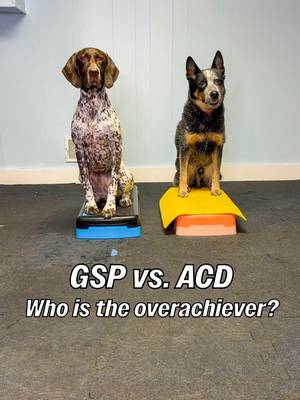
@heelerpoint1.3M views
Hook — Curiosity Gap
“Carly back”
- Hook ends:
- 1.5s
- Scenes:
- 1
- Avg scene:
- 8.5s
- relatable pet chaos
- visual comedy
- short duration
15.9% engagementWatch on TikTok →
By Michael, Founder, FYPNow · Updated 2026-06-28
TikTok now weights saves and shares far above likes, and that quirk happens to favor anyone who trains dogs for a living. A 20-second "loose-leash walk in three steps" clip is exactly the kind of video an owner saves for later and forwards to a friend with a new puppy. Most dog trainers treat the app like a cute-pup highlight reel and wonder why the views don't turn into clients. The accounts that actually fill a calendar treat each post as a free, 15-second demo of their method: a real problem, a clear fix, and a reason to call you. You already do the hard part on the job every day. The skill to add is framing it so the algorithm and a nervous owner both get it in the first two seconds.
The teardowns below are a snapshot. A Viral Content Agent keeps them coming: pick up to three hashtags or keywords, and FYPNow pulls the top-performing dog trainer videos for them on your schedule, so you open the app to what actually worked yesterday instead of scrolling for it.
A dog trainer Agent would track
These are the exact keywords we used to find the videos below. Swap in your own — An Agent is a name plus up to three keywords.
Viral Content Agents are included on every paid plan, from $19/mo, which starts with a 7-day free trial. Cancel any time before it ends and you are not charged.
We ran these dog trainer videos through FYPNow's AI analysis. This is the same breakdown you get for your own videos — the hook, the pacing, and what made each one work.
Hook — Curiosity Gap
“Carly back”
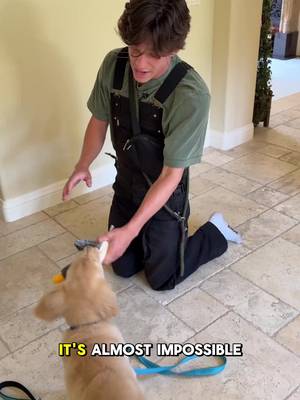
Hook — Bold Claim
“It's almost impossible to teach a dog how to drop if they don't like playing tug of war.”

Hook — Shock
“A man holding a puppy by its scruff while it snaps at a moving lure on a stick.”
Analyzed 2026-08-13. Metrics reflect the videos at the time of analysis.
FYPNow shows dog trainers which clips actually move the needle. Instead of guessing why one leash-training video took off and another flopped, you see the saves, watch-through, and profile visits behind each post, plus the posting times your local owners are online. That means more videos that book consults and fewer hours spent filming content nobody keeps.
Paste a dog trainer video or a creator profile. Analysis runs on a 7-day free trial from $19/mo. See plans. Cancel before it ends and you are not charged.
Posting the same clips to YouTube Shorts? Paste a Shorts link instead and get the same hook-by-hook breakdown. YouTube Shorts analysis · TikTok vs Shorts
Owners search for what's driving them crazy: pulling, jumping, barking at the door, leash reactivity. Open on the behavior, then show your fix in two or three steps. Tag these with #DogTraining, #DogTrainingTips, and #ReactiveDog so they land in front of people actively looking for help rather than people who just like dogs.
A split-screen of day one versus week three is the most shareable format you have, and it proves your method without you saying a word. Keep the 'before' honest and a little messy. Use #DogsOfTikTok and #PuppyTraining to ride the broad pet reach while the content still screams 'hire this person.'
Treat your comments and DMs as a content calendar. 'Why does my dog ignore me outside?' becomes a standalone clip. Single-question videos are easy to save and rank well in search. Pair them with #PetTok and #DogTrainerLife so they show up under both the hobby tag and the pro tag.
People hire a method, not a stranger. If you're force-free, say it and show it. If you run structured or balanced programs, demonstrate the structure. Tags like #BalancedTraining, #K9Training, or #ForceFreeTraining sort you to the owners who already want your approach, which means warmer leads and fewer mismatched calls.
National reach is flattering, but you can only train dogs you can reach. Drop your city and service area in captions and on-screen text on at least one in four posts, and add a city hashtag. A booked client in your zip code beats 100,000 views from three states away.
Filming dogs that are already trained. A calm, perfect dog is boring and proves nothing. The growth lives in showing the messy starting point and the visible change.
Burying the value in a long intro. If the fix doesn't start in the first two seconds, viewers swipe. Lead with the behavior or the result, then explain.
Chasing only the giant tags. #fyp and #dog put you against millions of posts. Mix in narrower tags like #DogTrainingTips and #ReactiveDog where your video can actually surface in search.
Giving blanket advice on aggression or anxiety in a caption. Serious cases need a real assessment, so point those viewers to a consult instead of a one-size script. It protects the dog and positions you as the pro.
Never asking for the booking. People will watch 50 of your clips and never realize you take clients. Add a plain call to action and a link in bio on every post.
Posting whenever you remember. Random timing starves the early-view window that decides reach. Pick consistent slots and stick to them.
These now carry more ranking weight than likes, and a high save rate is the clearest sign your training tip is genuinely useful. FYPNow surfaces which of your posts get saved most so you can make more of what owners actually keep.
If people bail before your fix appears, the hook is the problem, not the dog. Tracking early retention tells you whether to re-cut your openings.
Views are vanity until someone checks you out. This is the bridge between a viral clip and a booked consult, so watch it more closely than follower count.
Question comments are free content prompts and warm leads at the same time. A rising count means you're hitting owner pain points worth turning into the next video.
Use the Engagement Rate Calculator to benchmark your performance.
See which training clips drive saves, profile visits, and booking taps, not just views, so you can repeat the formats that actually fill your calendar.
Find the slots when local dog owners are scrolling so your tips catch the early-view window instead of dying overnight.
Build tag sets that mix broad pet reach with narrow training tags like #DogTrainingTips and #ReactiveDog to reach owners who need help now.
Three to five times a week is the sweet spot for most trainers. Consistency matters more than volume, so a steady three quality clips beats seven rushed ones. Keep a small backlog filmed so a busy week doesn't break your streak.
Mix broad and narrow. Broad reach comes from #DogsOfTikTok, #PetTok, and #PuppyLove. Intent-heavy tags that pull in owners looking for help include #DogTraining, #DogTrainingTips, #ReactiveDog, #DogTrainerLife, and your method tag such as #BalancedTraining or #ForceFreeTraining.
Localize at least a quarter of your posts with your city and service area, put a clear call to action in the video, and keep a working booking link in your bio. Then watch profile visits and link taps, not follower count, to see what converts.
Both work. Your own dog is great for demoing steps on demand. Client dogs, with permission, give you the before-and-after transformations that prove your method. Always get an owner's okay before posting a client's dog.
Quick problem-to-fix clips and split-screen transformations. They're highly saveable, they answer a real owner question, and they show your skill in under 20 seconds, which is what the algorithm and a stressed owner both reward.
Plan for a few months of consistent posting before momentum builds. Track early signals like watch-through rate and saves from week one, since those improve well before follower count does and tell you you're on the right track.
Everything above is the playbook. FYPNow is the feedback loop: point a Viral Content Agent at the dog trainer niche and get the top-performing videos, broken down hook by hook, on the schedule you pick.
From $19/mo after the trial. Cancel any time before it ends and you are not charged.
Works inside Claude
FYPNow runs an MCP server, so Claude can browse niches, tear down a video’s hook and scene timings, check creator breakouts and draft scripts — calling the real data instead of guessing. No API key: you approve the connection in a browser and pick which workspace it acts on. Included on every paid plan.