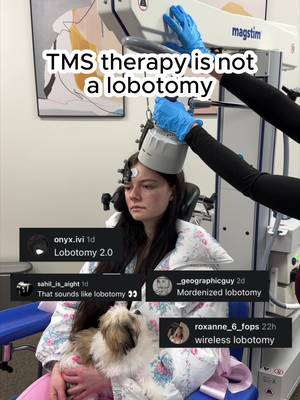
The #mentalhealth hashtag has passed 100 billion views on TikTok, and a big chunk of that audience is people quietly deciding whether therapy is for them. That's your room. Therapists who explain one idea clearly, stay inside their scope, and post consistently can build real trust and a steady stream of inquiries. The catch: every post is public, and your license is on the line, so the strategy has to be ethical from the first second.
Disclaimer: This guide is general marketing education for therapists, not professional, financial, legal, or medical advice. Always follow your professional body's advertising and compliance rules, and state the jurisdiction your content applies to.
Track the Therapist Niche on Autopilot
The teardowns below are a snapshot. A Viral Content Agent keeps them coming: pick up to three hashtags or keywords, and FYPNow pulls the top-performing therapist videos for them on your schedule, so you open the app to what actually worked yesterday instead of scrolling for it.
A therapist Agent would track
#therapytok
#therapistexplains
#dayinthelifetherapist
These are the exact keywords we used to find the videos below. Swap in your own — An Agent is a name plus up to three keywords.
Refreshed on your cadence — daily, weekly, or monthly: new therapist videos ranked by performance, without running a search yourself.
Analyzed, not just listed — every video comes with the hook, pacing, and virality breakdown shown below.
Yours alone — an Agent is scoped to your workspace, not shared with other therapists.
Viral Content Agents are included on every paid plan, from $19/mo, which starts with a 7-day free trial. Cancel any time before it ends and you are not charged.
Real Therapist TikToks, Analyzed
We ran these therapist videos through FYPNow's AI analysis. This is the same breakdown you get for your own videos — the hook, the pacing, and what made each one work.
@sundaybella_873K views
Hook — Relatable
“ok but real talk how do therapists sit through the entire saga and not ONCE go 'ok but show me a pic of him'”
Analyzed 2026-08-12. Metrics reflect the videos at the time of analysis.
See Why Any Therapist Video Went Viral
FYPNow shows you which of your psychoeducation videos actually move people from a scroll to your booking link. It analyzes every post for hook retention, saves, and profile visits, so you can tell whether your boundary content or your anxiety tips bring in clients, then make more of what works. Less guessing, more of the videos that fill your waitlist.
Paste a therapist video or a creator profile. Analysis runs on a 7-day free trial from $19/mo. See plans. Cancel before it ends and you are not charged.
Teach one concept per video, like attachment styles, cognitive distortions, or the window of tolerance, in plain language. Add on-screen captions and tag #therapytok and #mentalhealthawareness so the right people find it.
Pick One Lane and Own It
The therapists who blow up are known for something specific: boundaries, trauma, anxiety, ADHD in adults. Niche down and become the boundary therapist, not a general one. People follow specialists and they refer specialists.
Green Screen Myth-Busting
Use the green screen effect to react to viral 'TikTok therapy' takes and self-diagnosis trends, then correct them. Debunking misinformation positions you as the credible voice and rides traffic that's already moving. Tag #therapytiktok and #therapytok.
Coping Demos on Trending Audio
Walk viewers through a grounding or breathing exercise set to a sound that's on the rise. Trending audio is still the cheapest reach on TikTok, and a calm, useful demo is highly saveable.
Hook Hard, Then Send Them to Your Bio
You have about three seconds. Open with the payoff ('Three signs you're people-pleasing, not being kind') and close with a soft CTA to the booking or waitlist link in your bio. No hook, no views; no CTA, no clients.
Stitch and Duet the Conversation
Stitch a viral mental health clip or duet a common question to add nuance. It taps an existing audience and shows your thinking, which builds the trust that turns a viewer into an intake form.
Common TikTok Mistakes Therapists Make
1.
Sharing anything that could identify a client, even a paraphrased session. Composite or hypothetical examples only, this is a HIPAA line you cannot cross.
2.
Diagnosing strangers or giving individual advice in the comments or DMs. Keep it general education, never a therapeutic relationship.
3.
Skipping the 'this is educational, not therapy or a substitute for care' disclaimer, especially on heavy topics.
4.
Posting potentially triggering content with no warning, or trauma-dumping for views instead of teaching a skill.
5.
Ignoring trending audio and posting on original sound, which caps your reach before the algorithm even tests the video.
6.
No path to book. If your bio has no waitlist, booking link, or Psychology Today profile, the views never become clients.
Key Metrics Therapists Should Track
Save Rate
Saves on a coping tip or mental health explainer mean people found it genuinely useful and want it again. It's the clearest signal your psychoeducation lands.
Profile Visits and Bio Link Taps
This is your intent metric: someone watched, then went looking for how to work with you. It tracks far closer to actual bookings than likes do.
Shares
Mental health content gets sent privately to a friend who needs it. Each share quietly expands your reach to exactly the people likely to become clients.
Hook Retention (first 3 seconds)
FYPNow analyzes each video and shows where viewers drop, so you can see which openings hold attention and rewrite the ones that lose people before the message lands.
Yes, when you stay in your scope. Share psychoeducation, never therapy. Use disclaimers, never diagnose strangers, and never post anything that could identify a client. A good gut check: would you be fine with a current client seeing this?
How do therapists actually get clients from TikTok?
Views become clients through the bio, not the comments. Put a booking link, waitlist, or Psychology Today profile in your bio and add a soft CTA at the end of strong videos. Some therapists report a meaningful share of new clients finding them this way.
What mental health topics perform best on TikTok?
Attachment styles, boundary-setting, anxiety tools, people-pleasing, and ADHD in adults consistently do well. Pick one lane and go deep instead of covering everything.
Which hashtags should therapists use on TikTok?
Mix broad and niche: #therapytok, #therapytiktok, #mentalhealthawareness, #mentalhealthmatters, and #mentalhealth, plus a couple specific to your focus like #anxietytips or #boundaries. Keep them relevant so the algorithm shows you to the right audience.
How do I stay HIPAA-compliant while making content?
Never reference a real, identifiable client. Use composite or hypothetical examples, don't carry on therapeutic conversations in DMs, and keep everything framed as general education. When in doubt, leave it out.
How often should a therapist post to grow?
Consistency beats volume. Three to five videos a week is plenty if the quality holds. Batch-film on a day off so posting stays sustainable alongside your caseload.
Stop Guessing What Works for Therapists
Everything above is the playbook. FYPNow is the feedback loop: point a Viral Content Agent at the therapist niche and get the top-performing videos, broken down hook by hook, on the schedule you pick.
From $19/mo after the trial. Cancel any time before it ends and you are not charged.
Works inside Claude
Ask for this research in plain language
FYPNow runs an MCP server, so Claude can browse niches, tear down a video’s hook and scene timings, check creator breakouts and draft scripts — calling the real data instead of guessing. No API key: you approve the connection in a browser and pick which workspace it acts on. Included on every paid plan.