How to Grow on TikTok as a Yoga Instructor
By Michael, Founder, FYPNow · Updated 2026-06-28
There are more than 780 yoga creators on TikTok in the US alone, and the platform ranks your flow on watch time, not follower count. That's the opening for a yoga instructor with a phone and a mat: a clean 20-second transition can out-reach a studio's whole ad budget. The catch is that calm content fights the algorithm's bias toward loud, fast hooks, so you have to earn the first three seconds. This page lays out the specific hashtags, posting windows, and numbers that move a yoga teacher from scattered posts to a steady stream of new students.
Content Strategy for Yoga Instructors
Lead with the signature pose, not the warm-up
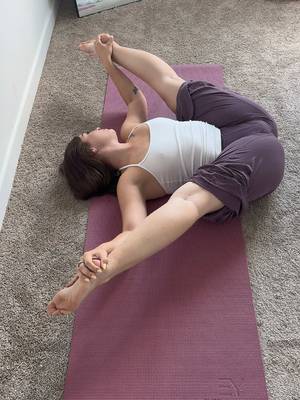
Viral yoga clips run 15 to 30 seconds and open on the moment people want to rewatch: a clean crow-to-headstand transition, an unexpectedly fluid forward fold, a balance that looks impossible. Cut the intro and the fade-out. Put your best shape in the first two seconds, then let the flow play out under it. Tag it with #YogaTok and #YogaFlow so it lands in the right feed.
Build a named recurring series
"5-Minute Morning Flow," "Pose of the Week," or "Desk Reset" give viewers a reason to follow, not just like. Morning wake-up sequences (mountain, forward fold, halfway lift, standing stretch) perform well because people want something they can copy before work. Post the series under #YogaForBeginners and #MorningFlow so beginners searching those terms keep finding you.
Mix broad and niche hashtags every post
Pair high-volume tags like #yoga, #yogateacher, and #yogaeverydamnday with tighter ones that pull your actual students: #YogaTok, #BendyTok, #FlexibilityTok, #AcroYoga, #yogisofcolor, or #TraumaInformedYoga. The narrow tags reach fewer people but a far higher share of them book a class. Skip #fyp on its own; it does almost nothing without a relevant tag beside it.
Use low-competition wellness audio, synced to the breath
Lo-fi, ambient, instrumental, or mantra-based sound fits the energy and, when the track has light usage, gives you a real shot at riding it before it saturates. Sync your movement to the rhythm so each pose lands on a beat. Loud trending pop audio works against calm content and pulls the wrong crowd.
Show the human, not just the asana
Behind-the-scenes clips, a wobble you laugh off, the reason you started teaching: these out-perform polished demos on saves and comments. Open captions with a problem your audience feels, like "Tight hips from sitting all day? Try this," then deliver the fix. Authentic and imperfect beats flawless and forgettable.
Convert viewers into students with a clear next step
Every few posts, point people somewhere: a free class link, your studio schedule, or a downloadable flow. Use a caption call to action ("Comment FLOW and I'll send the full sequence") to spike comments, which the algorithm reads as value. Growth only matters if it fills classes.
Common TikTok Mistakes Yoga Instructors Make
Filming a full class instead of one clean sequence. A 45-minute flow chopped into a clip has no hook; one striking transition does.
Posting at random and stopping after a quiet week. Yoga audiences are most active 6 to 8 a.m. and TikTok broadly peaks 7 to 9 p.m. Aim for 3 to 4 posts a week and judge results over a month, not a day.
Chasing loud trending sounds that clash with calm content. They pull viewers who never book and bury the breath-led energy your students actually want.
Leaning on the same three giant hashtags (#yoga #fitness #fyp) every time. Without niche tags like #YogaTok or #FlexibilityTok, you compete with millions and reach no one specific.
Ignoring comments and duets. When someone recreates your flow, a reply or duet feeds the algorithm and turns a viewer into a regular.
Measuring success by follower count alone. Saves, shares, and class bookings tell you whether the content is doing its job; raw followers don't.
Key Metrics Yoga Instructors Should Track
Average watch time and completion rate
A 20-second flow lives or dies on whether people finish it. FYPNow surfaces which of your videos hold attention to the end so you can repeat that opening shape and structure instead of guessing.
Saves per post
Saves are the strongest signal for yoga content: viewers bookmark flows they intend to try, which tells the algorithm your post is worth pushing to more people.
Follower-to-booking conversion
Track how many new followers actually land on your schedule or class link. It's the difference between a viral clip and a full Saturday session.
Best posting time by engagement
Your audience may skew to the 6 to 8 a.m. yoga window or the evening peak. Watch which slots earn the most early engagement and lock your schedule around them.
Use the Engagement Rate Calculator to benchmark your performance.
Best Tools for Yoga Instructors
FYPNow Analytics
Tracks which of your yoga flows hold watch time, earn saves, and convert followers into booked students, so you can repeat what fills classes instead of guessing.
Best Time to Post
Find the windows your yoga audience is actually scrolling, from the early-morning flow crowd to the evening wind-down, and schedule around them.
Hashtag Generator
Build hashtag sets that mix broad reach (#yoga, #yogateacher) with niche tags like #YogaTok and #FlexibilityTok that pull real students.
Related Guides
Analyze Your First Yoga Instructor Video Free
FYPNow shows a yoga instructor exactly which flows hold watch time, earn saves, and turn viewers into booked students, so you spend your energy on the mat, not guessing at the algorithm. Track your best posting windows, find the niche hashtags that pull real students, and see which clips actually fill your classes.
Prefer to explore first? Create a free account
Frequently Asked Questions
How often should a yoga instructor post on TikTok?
Aim for 3 to 4 posts a week. Consistency builds trust with both viewers and the algorithm, and it gives you enough data to spot which flows land. Judge results over a month rather than reacting to a single quiet day.
What are the best hashtags for yoga on TikTok?
Mix broad and niche. Use a few large tags like #yoga, #yogateacher, and #yogaeverydamnday, then add tighter ones that attract students who book: #YogaTok, #BendyTok, #FlexibilityTok, #YogaForBeginners, #AcroYoga, or #yogisofcolor. Three to five well-chosen tags beat a wall of generic ones.
How long should my yoga videos be?
Keep them to 15 to 30 seconds. Show one sequence or a single signature pose rather than a whole class. Open on the most eye-catching moment so viewers stay past the first two seconds.
What's the best time to post yoga content?
Yoga audiences are often active 6 to 8 a.m., and TikTok broadly peaks around 7 to 9 p.m. Test both windows, then use your own engagement data to confirm which one your followers respond to before committing your schedule.
Do I need a studio or fancy gear to grow?
No. A phone, decent natural light, a clean mat, and one strong pose are enough. Authentic, slightly imperfect clips often out-perform polished studio shoots on saves and comments.
How do I turn TikTok followers into actual students?
Add a clear next step every few posts: a free class link, your schedule, or a downloadable flow. Use comment prompts like "Comment FLOW for the full sequence" to boost engagement, then track how many new followers reach your booking page.